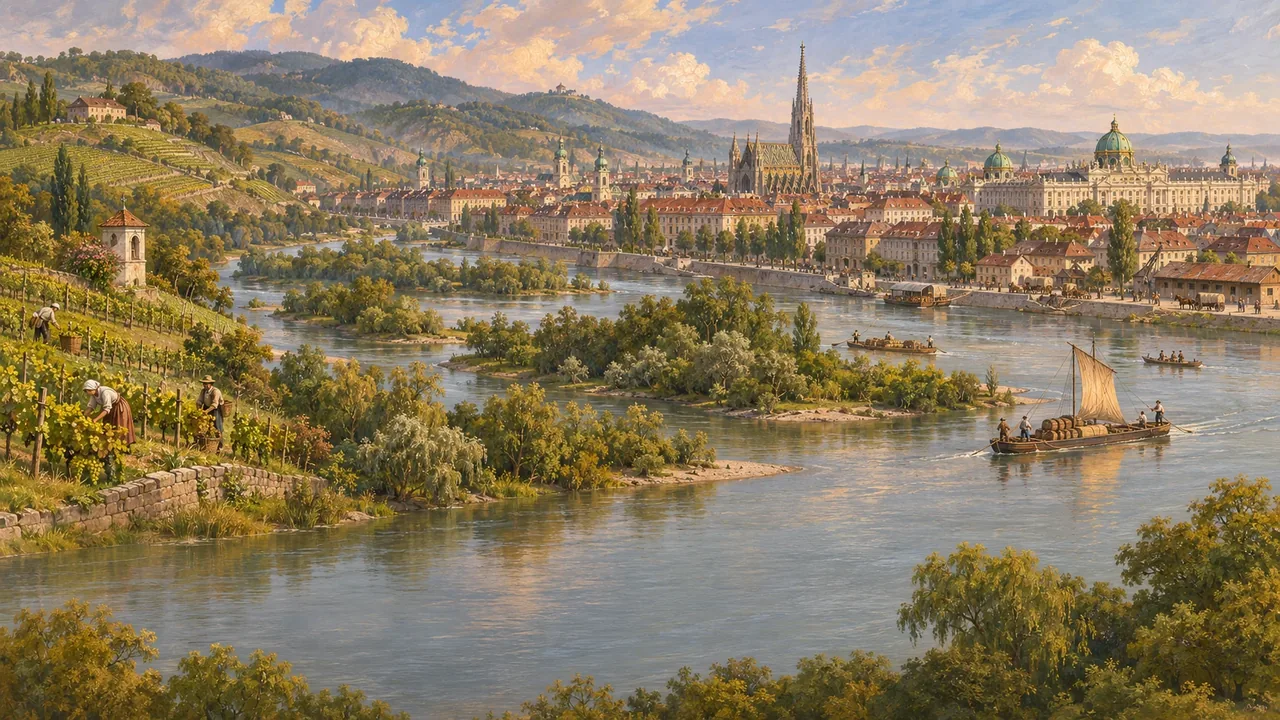
Danube region around Vienna
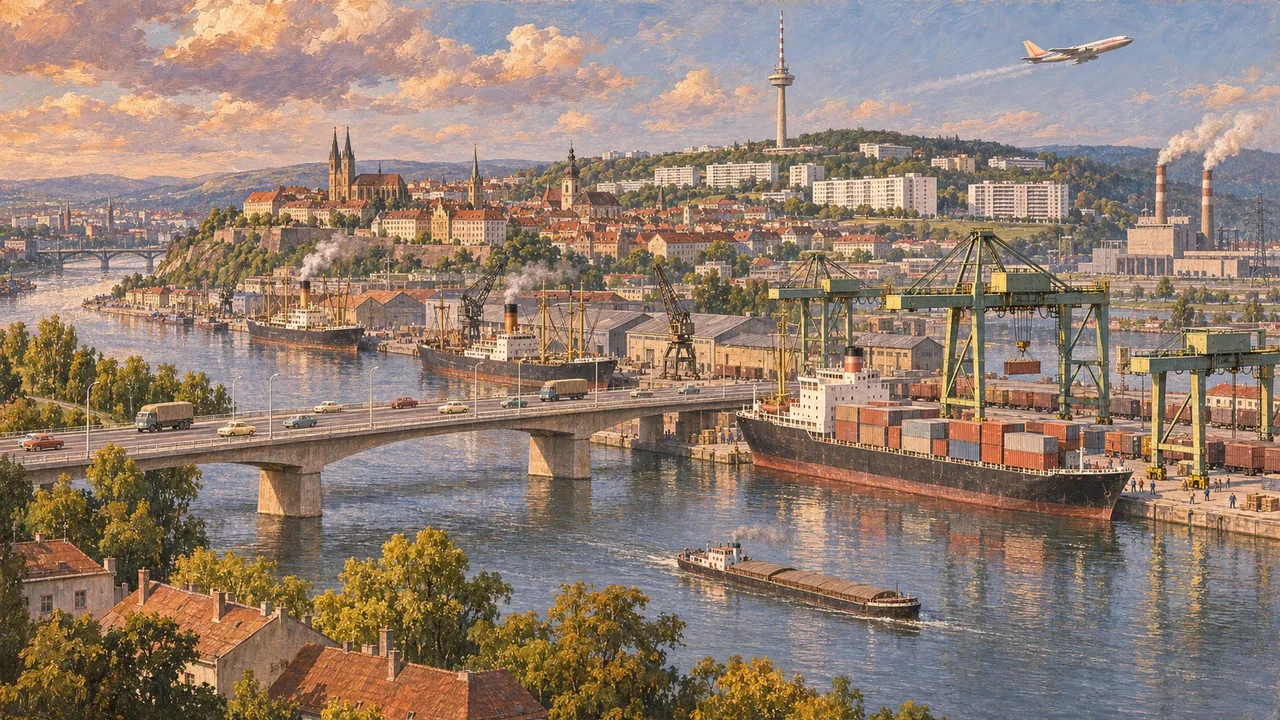
Vienna, Linz, Krems and Stein, Pressburg: a royal residence, manufactories, wine-growing, the salt and iron trade under one dynasty with two legal realms.
Our games
City-building and world strategy · from 1750 to 2100

Version 0.13.0 playable · test builds up to 1914 · November 2026
One world. Your story.
The game
You start small: a place on a river, a few houses, fields, a mill. The people need bread, firewood and clothing, and the next market is a day away. Every improvement in supply is a success.
Then the place grows. A bridge draws trade, trade turns the village into a town, and the town needs coal, a railway and a port. A bottleneck on your doorstep becomes a link to the region, then an industrial district, then a dependency across oceans.
REAL WORLD is played on the real Earth, with the states, rulers and events of their time, from 1750 into the future. History can unfold as it did or take a completely different course because you chose differently. And with the mouse wheel you can zoom out from your village to the globe and back at any time.
Six eras
Each era brings its own goods, buildings, technologies, events and architecture. A game carries on without a restart: old neighborhoods, routes and relationships remain, and the new is added to them.
1750–1870
Steam engine, canal, railway and telegraph; revolutions, the Congress of Vienna and the first world markets. Start dates 1750 and 1815.
Playable
1870–1914
Electricity, oil and chemicals, cars and trucks alongside trains and horse carts, the gold standard and the stock exchange. Start date 1870.
In testing
1914–1950
Aviation, radio and the Great Depression. Wars break out only when their preconditions are met; peaceful courses remain open. Start date 1914.
In progress · goal for 1.0
1950–1990
Decolonization, container shipping and mass motorization, nuclear power as a decision, the first satellites.
Planned
1990–2025
Supply chains, chips and data networks, renewable energy alongside fossil fuels, financial crises and climate policy as a choice.
Planned
2025–2100
No invented history: documented projections for population, climate and energy, plus future events that happen only when their conditions are met.
Planned
Version 1.0 is meant to cover 1750 to 1950, with goals for every start and long games across the whole period. Version 2.0 is meant to be playable all the way to 2100. Everything after the playable stretch is a plan; order and scope may change. The time before 1750 is not planned.
The path
At first the world is vast and your village is small. With ships, railways, telegraphs and treaties it comes within reach step by step, and in that sense it gets smaller. Six stages, one game.
IThe place
A few houses, a market, fields up to the edge of the forest. In the tutorial it is Donaumark with 180 people; in the campaign it is a real place such as Vienna, Liverpool or Suzhou, with its documented population.
You build where it fits, connect it all with roads and make sure there is enough bread, firewood and clothing. Where there is food, housing and work, new people arrive. Those who go hungry for long move away.
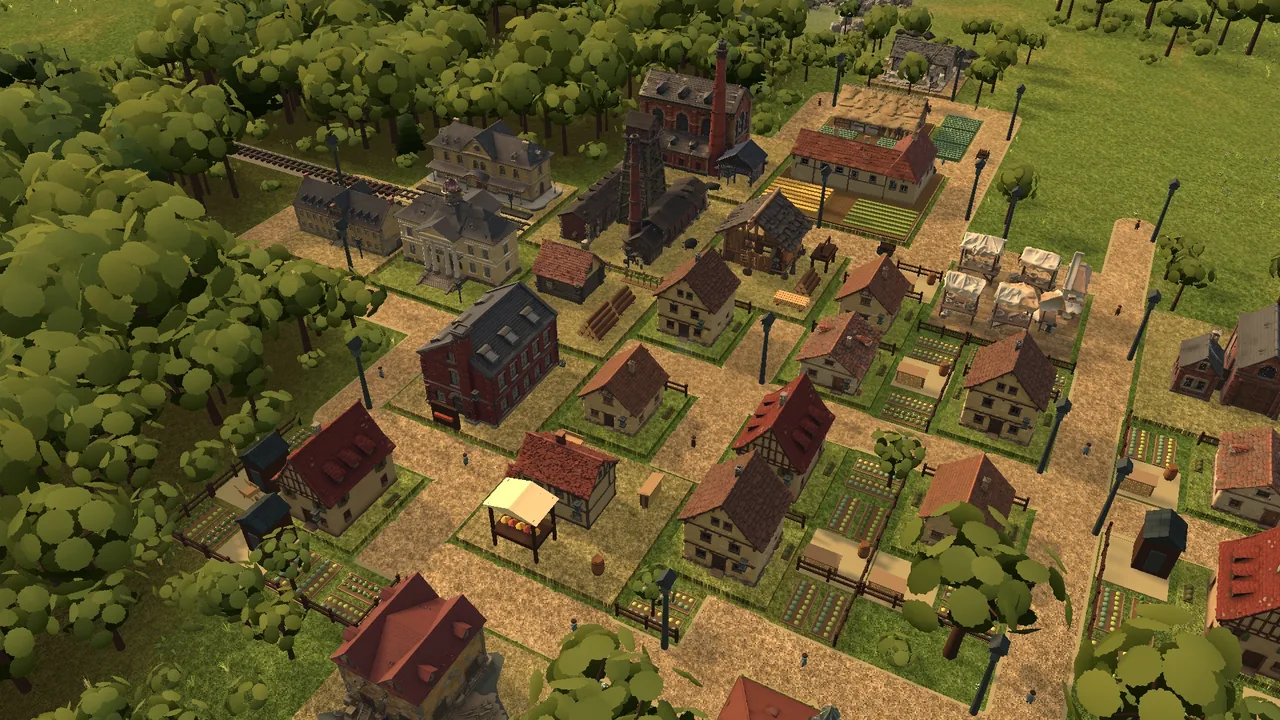 Screenshot · Version 0.12.0 · October 2026
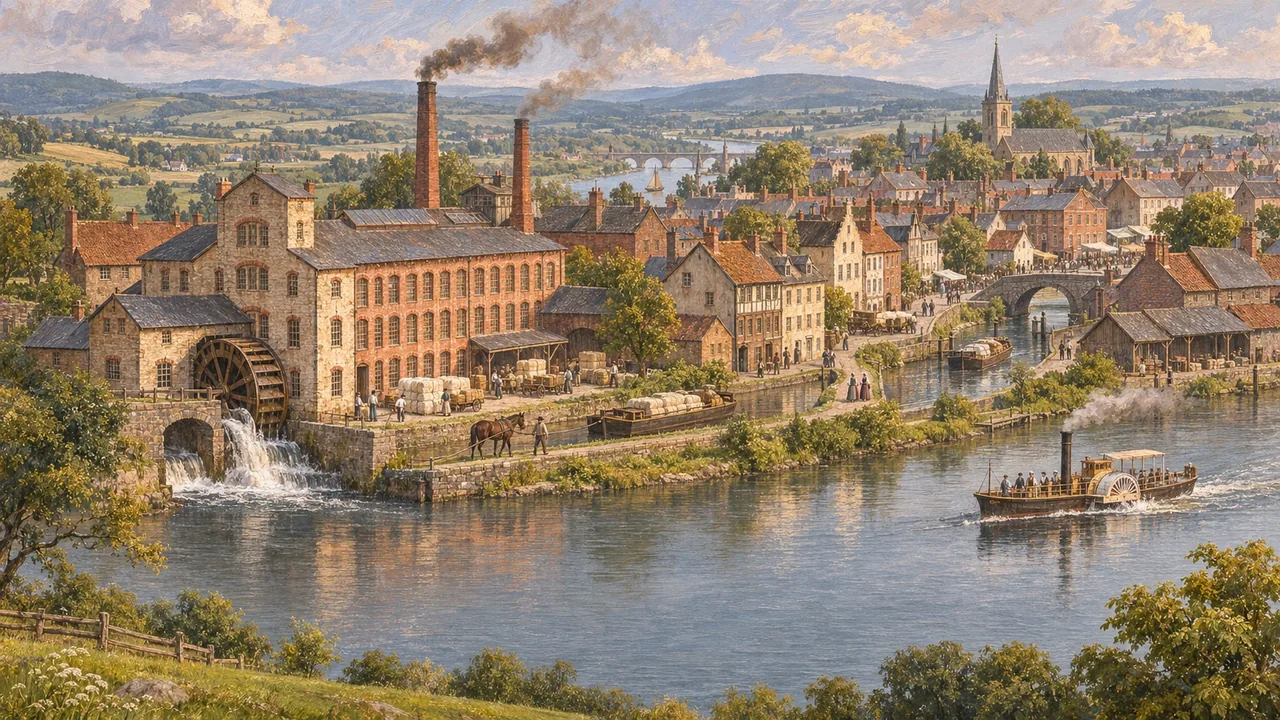
IIThe town
Grain becomes flour and flour becomes bread, wool becomes yarn and yarn becomes cloth, ore and coal become iron. Every good needs raw materials, labor and tools, and nothing comes from nothing.
New technology arrives when it is documented in your region. The railway, for example, reaches Lancashire in 1830, the Danube region in 1837 and the Yangtze Delta only in 1876.
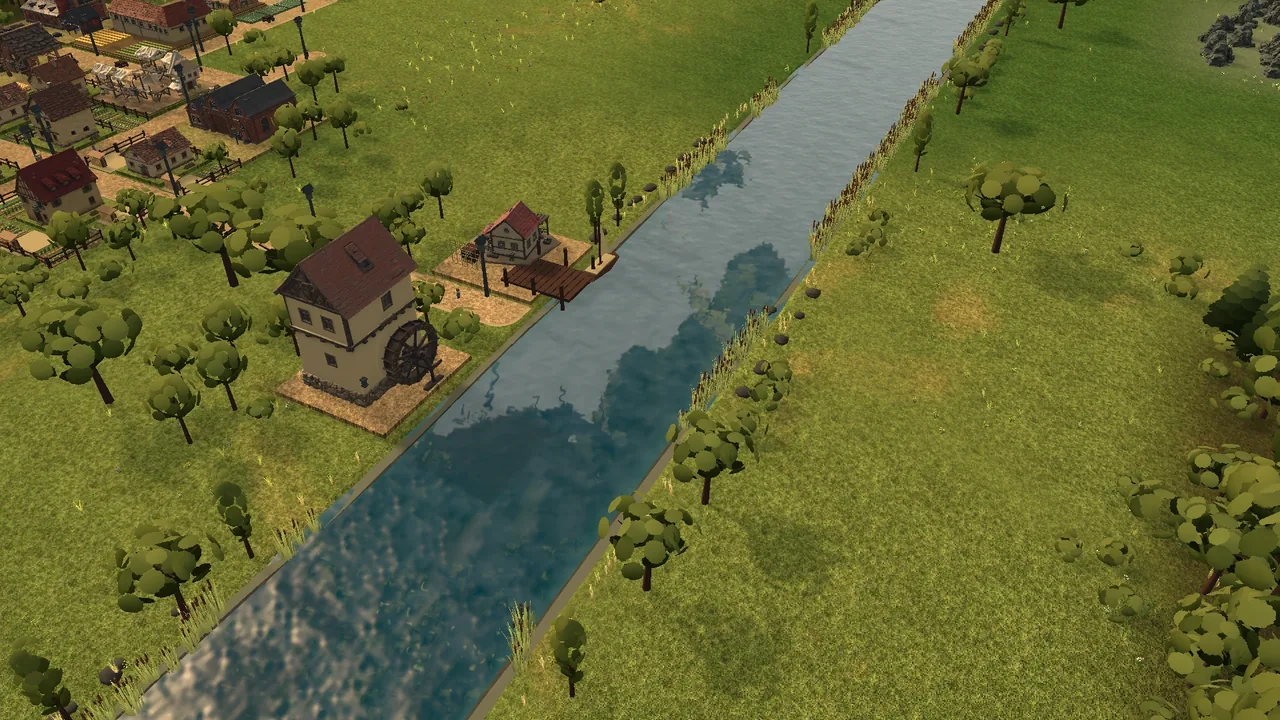 Screenshot · Version 0.12.0 · October 2026
IIIThe region
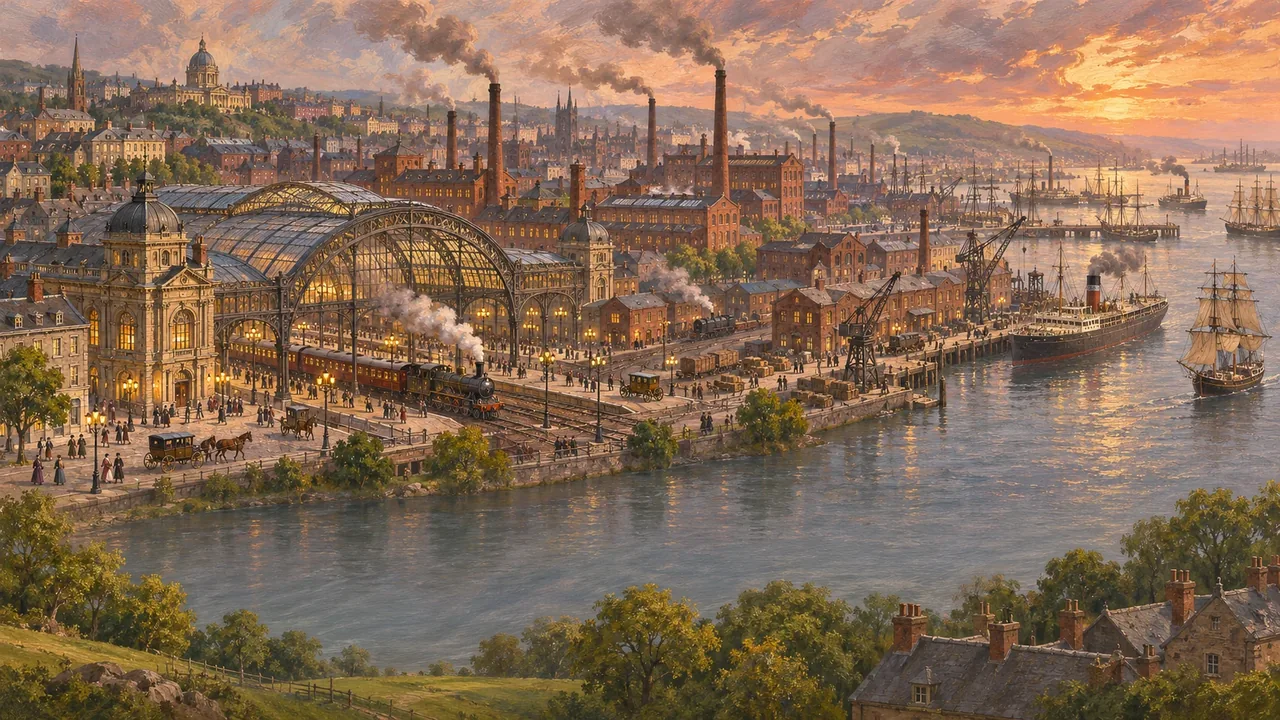
A horse cart is slow, a river barge carries more, a freight train more than both. Every route has real capacities and travel times, and a standing order keeps the goods moving.
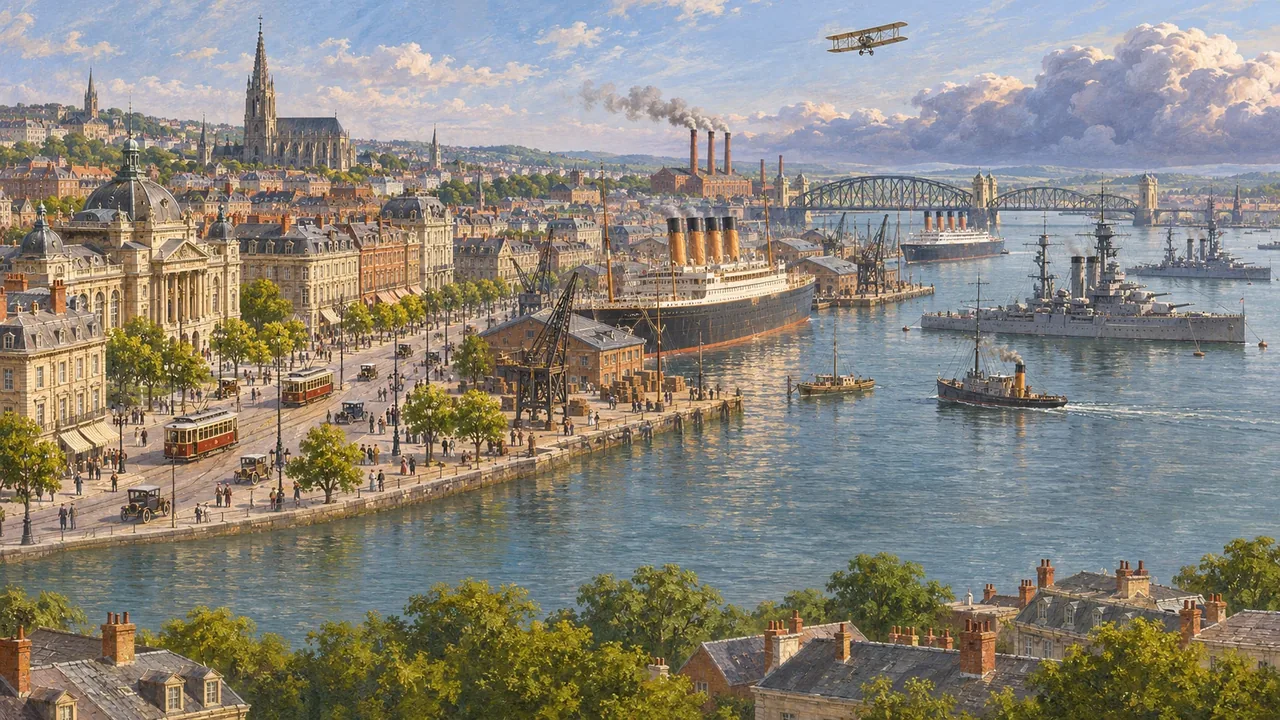
With the telegraph and later the undersea cable, news travels faster than freight. And in the test builds, trucks, cars, streetcars and buses are already on the road, with the first airplanes overhead.
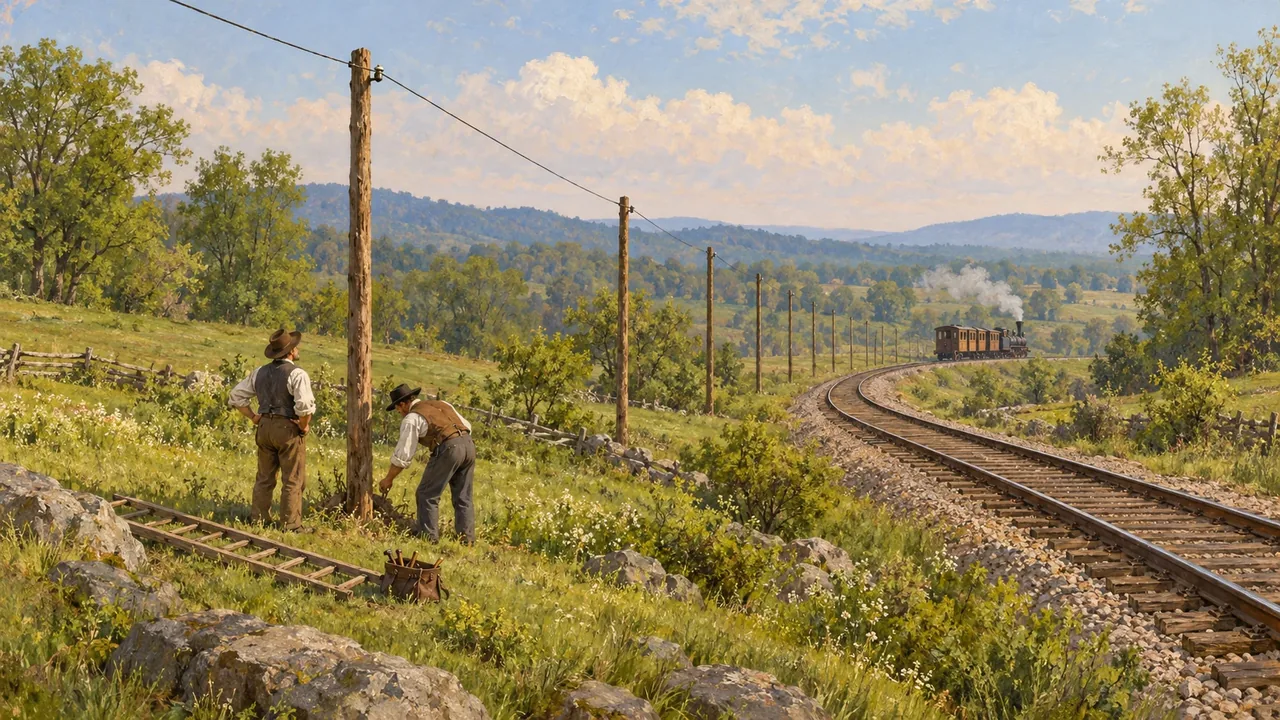 Illustration · World Chronicle
IVThe state
Your neighbors have rulers, offices and plans of their own. You make treaties with them: non-aggression, alliance, right of passage, tax farming, purchase or cession of territory. Each state answers according to its attitude, its knowledge and its treasury.
The Conflict test build adds armies: raise them, move them, declare war, negotiate peace, repair the damage. Only those who rule land themselves may declare war, and the wars of history break out only when their preconditions are met. The peaceful path stays open.
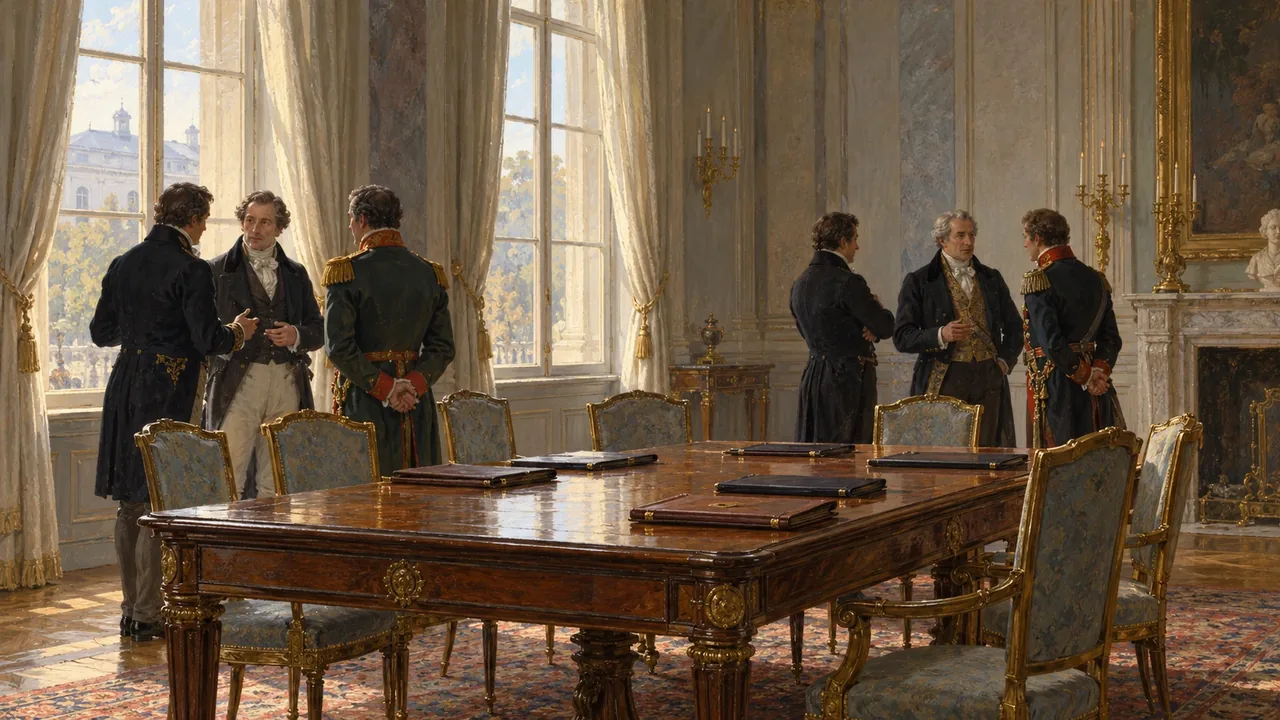 Illustration · World Chronicle
VThe world
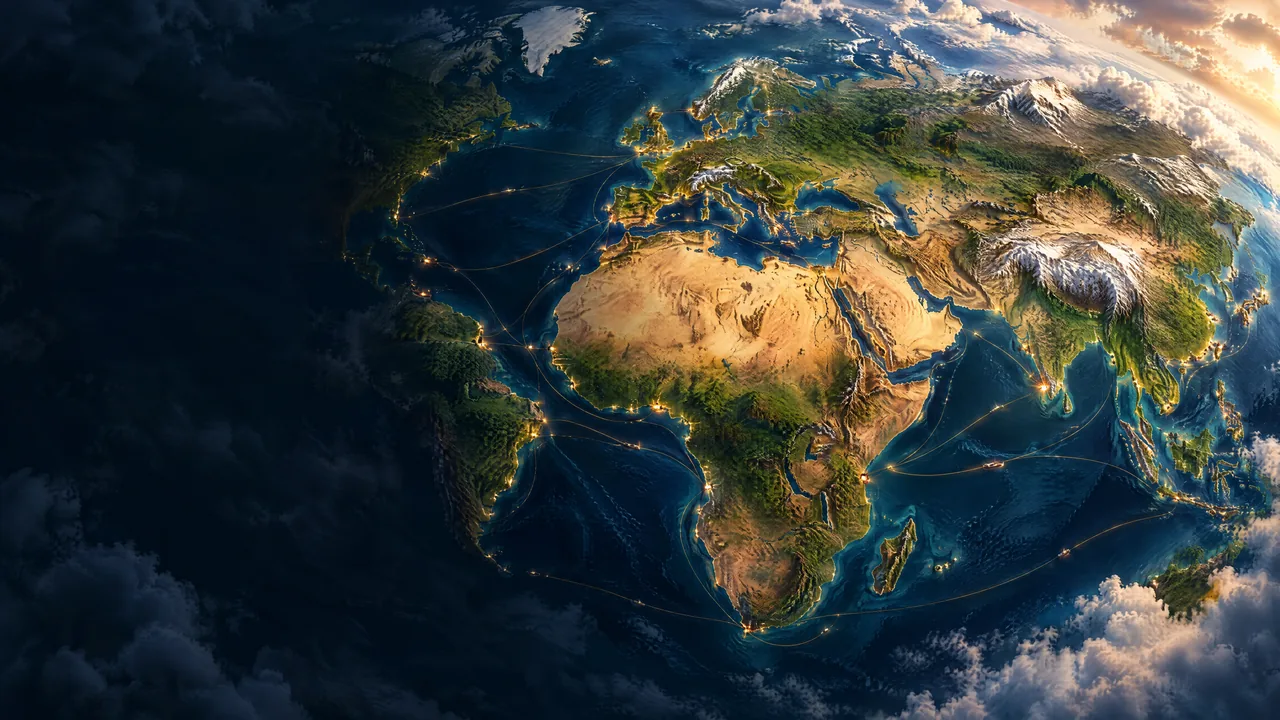
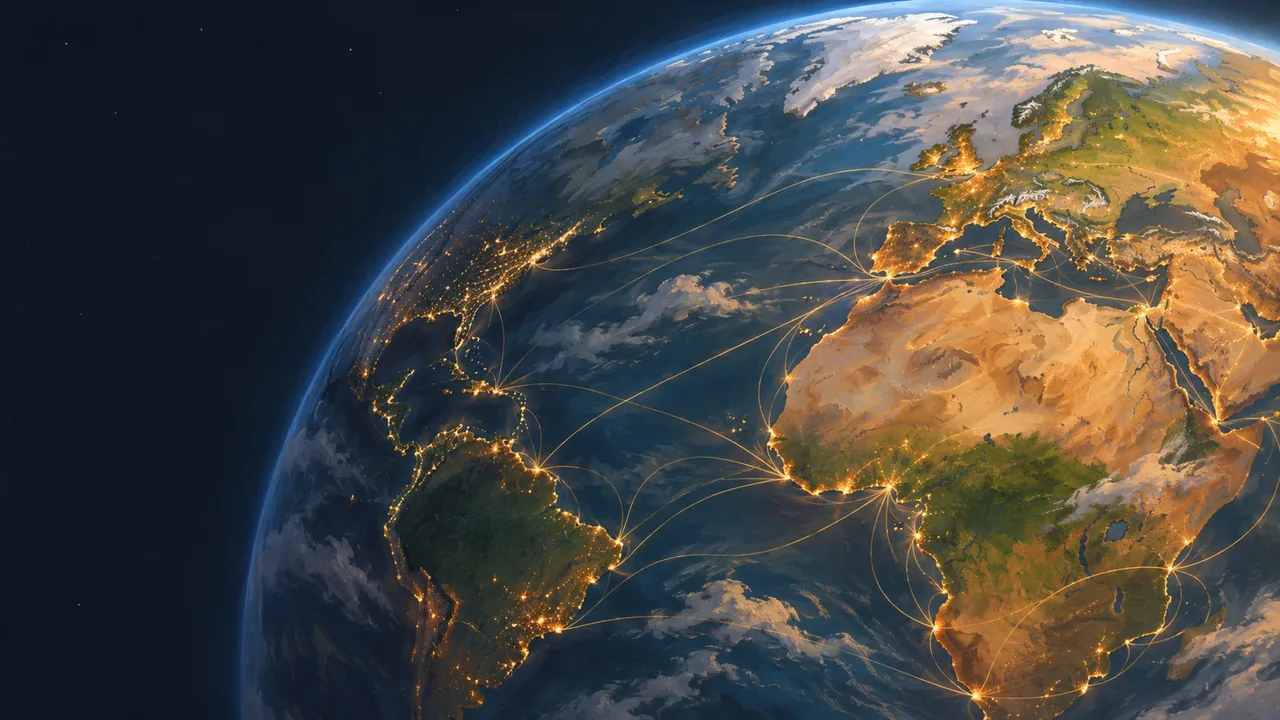
80 states and communities in 1750, 97 after the Congress of Vienna. Each has businesses, stocks, a treasury and prices, and each produces, consumes and trades, even while you are looking elsewhere.
At the start you know only part of it. Only discovery, contact and news routes open up distant markets. The globe shows the world you know.
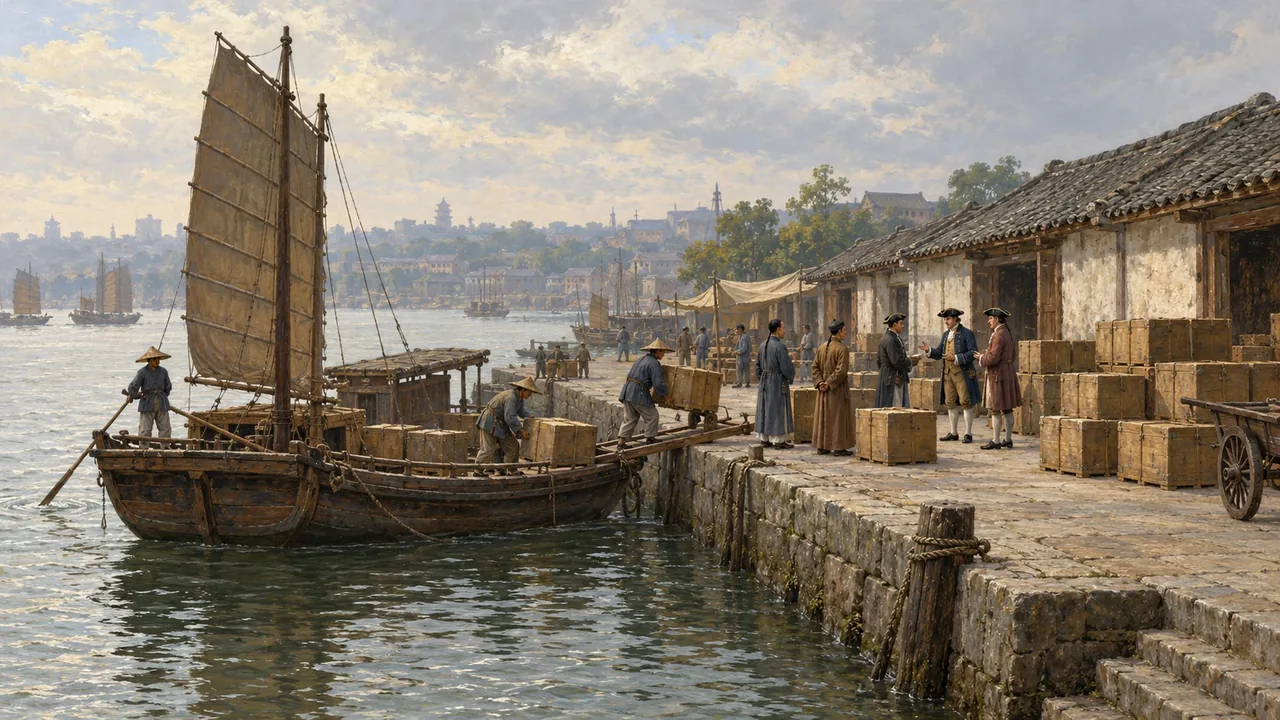 Illustration · World Chronicle
VIThe future
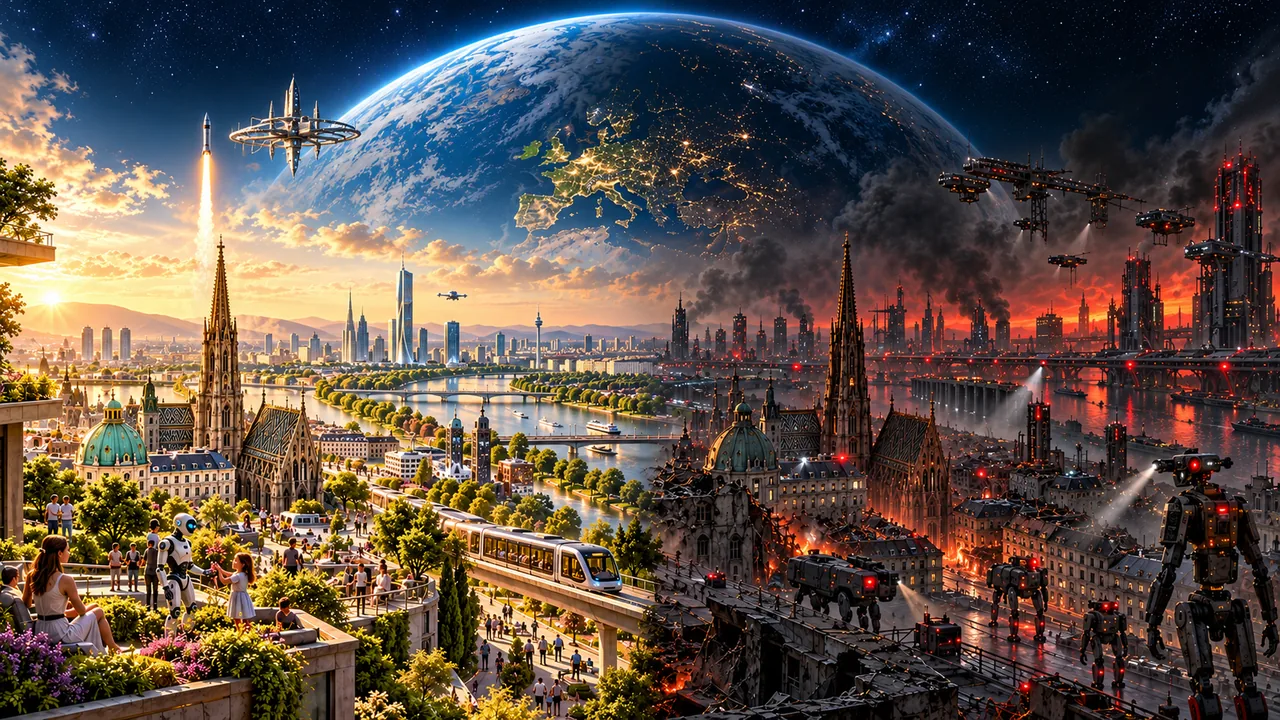
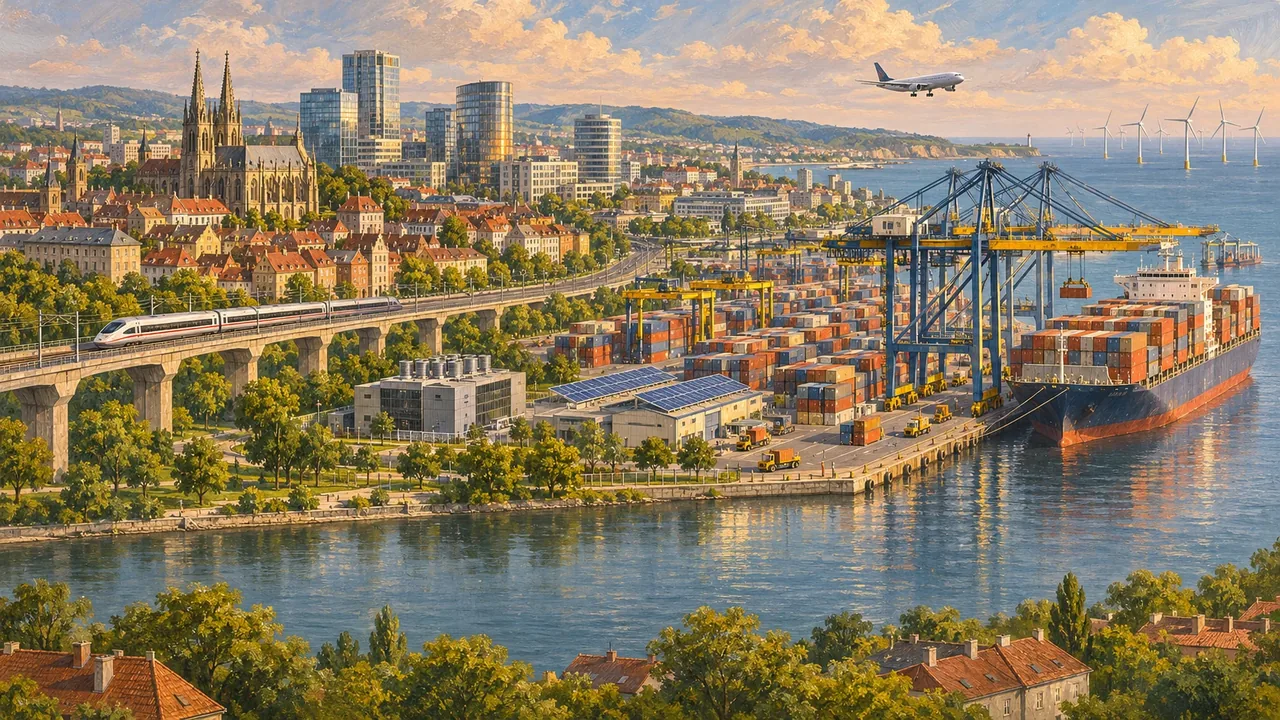
After 1950 come containers, highways and jet airliners, later data networks, wind farms and solar plants. The city stays recognizable: old neighborhoods remain, and the new grows beside them.
This is a plan, not yet built. From 2025 on, the game invents no history; it works with documented projections and with events that happen only under certain conditions.
 Illustration
Four pillars
REAL WORLD rests on four things that interlock. None of them is a backdrop: what you change in one, you feel in the others.
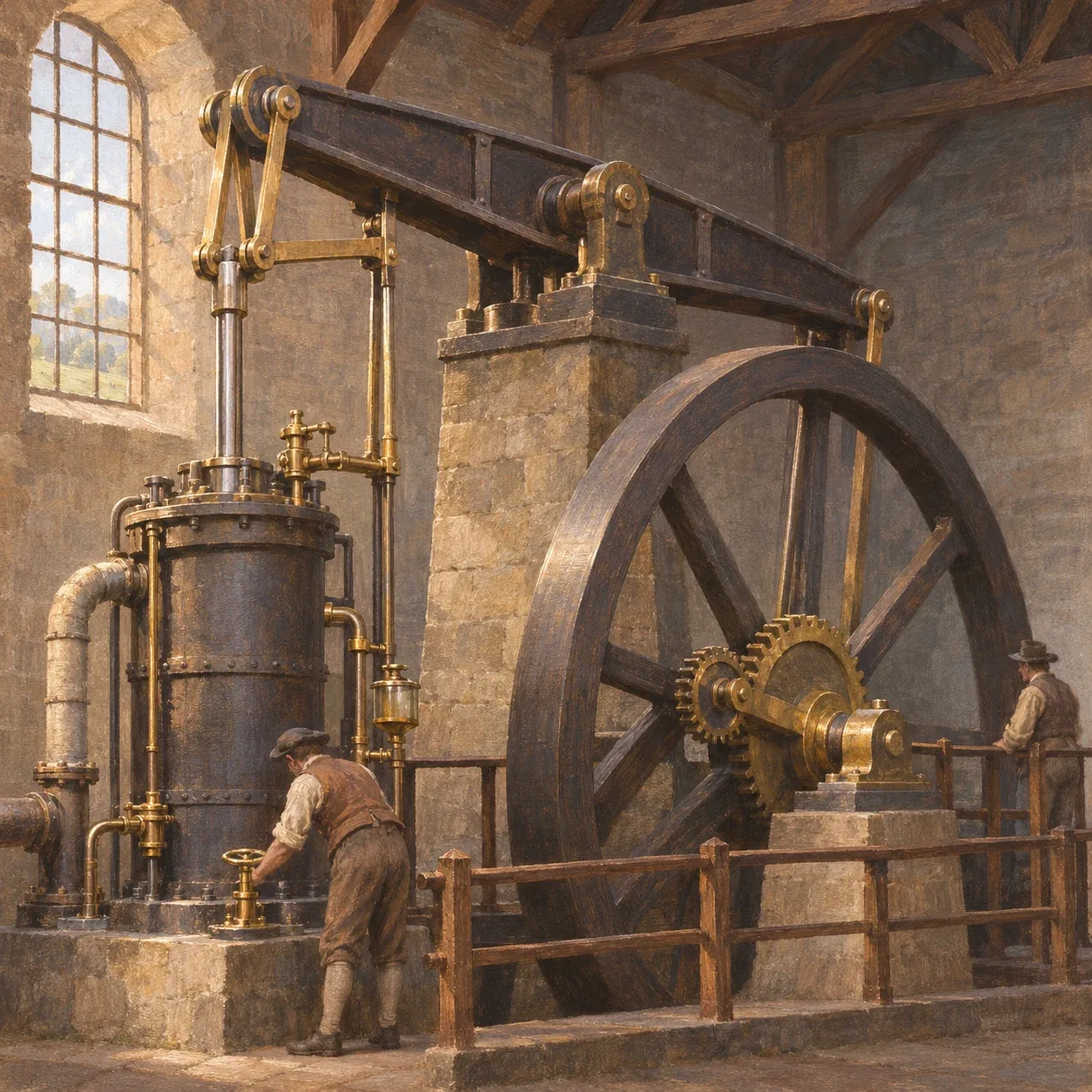 Illustration · technology picture
Every good has raw materials, labor, energy and a route. The visuals never create goods: a separate simulation core calculates what is actually produced, consumed and traded.
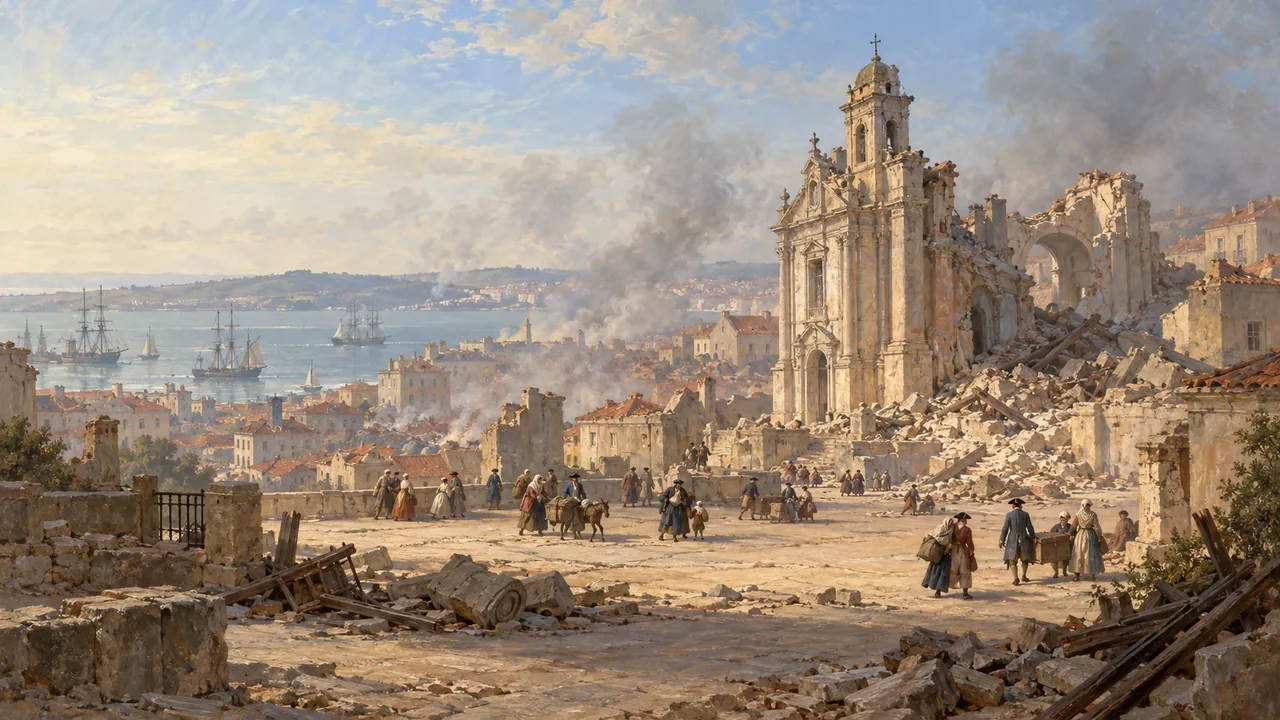 Illustration · World Chronicle
Rulers, offices and events with dates and sources. News takes time to arrive. What happens can unfold as it did back then, or completely differently.
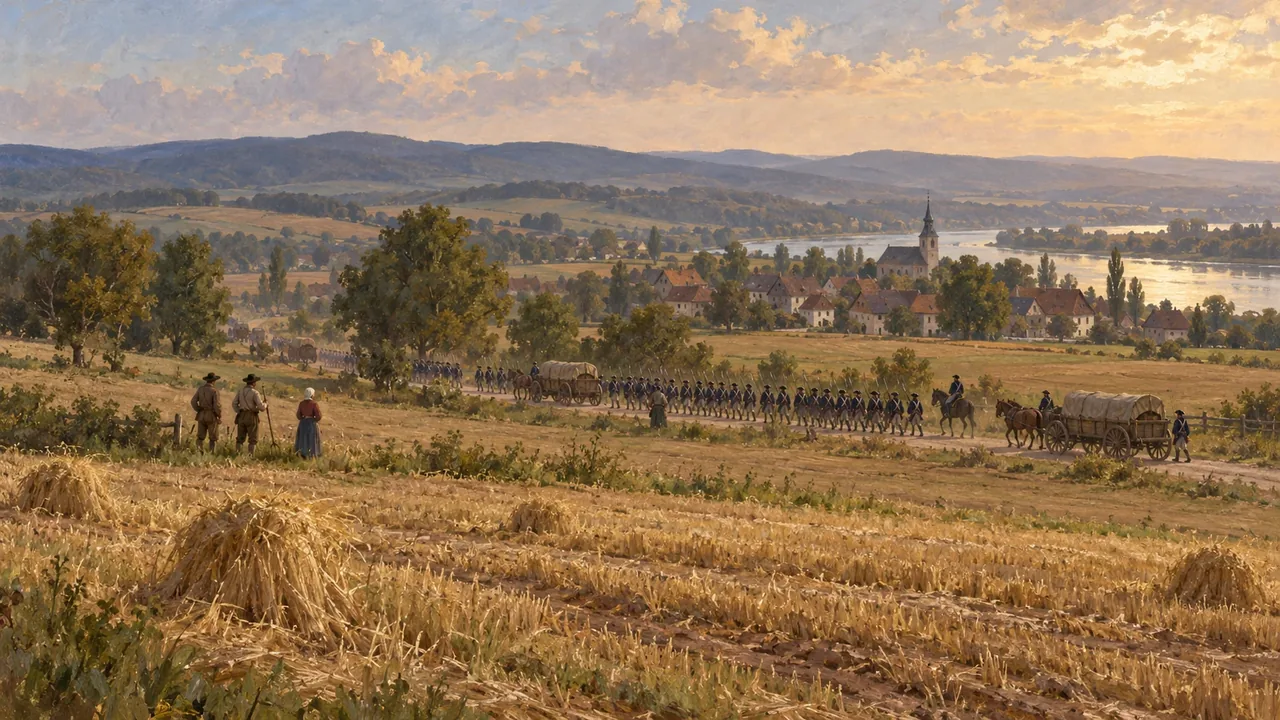 Illustration · World Chronicle
Treaties, alliances, armies and peace. You see foreign troops only as precisely as you know them, and losses are reported soberly at game scale, without cheering.
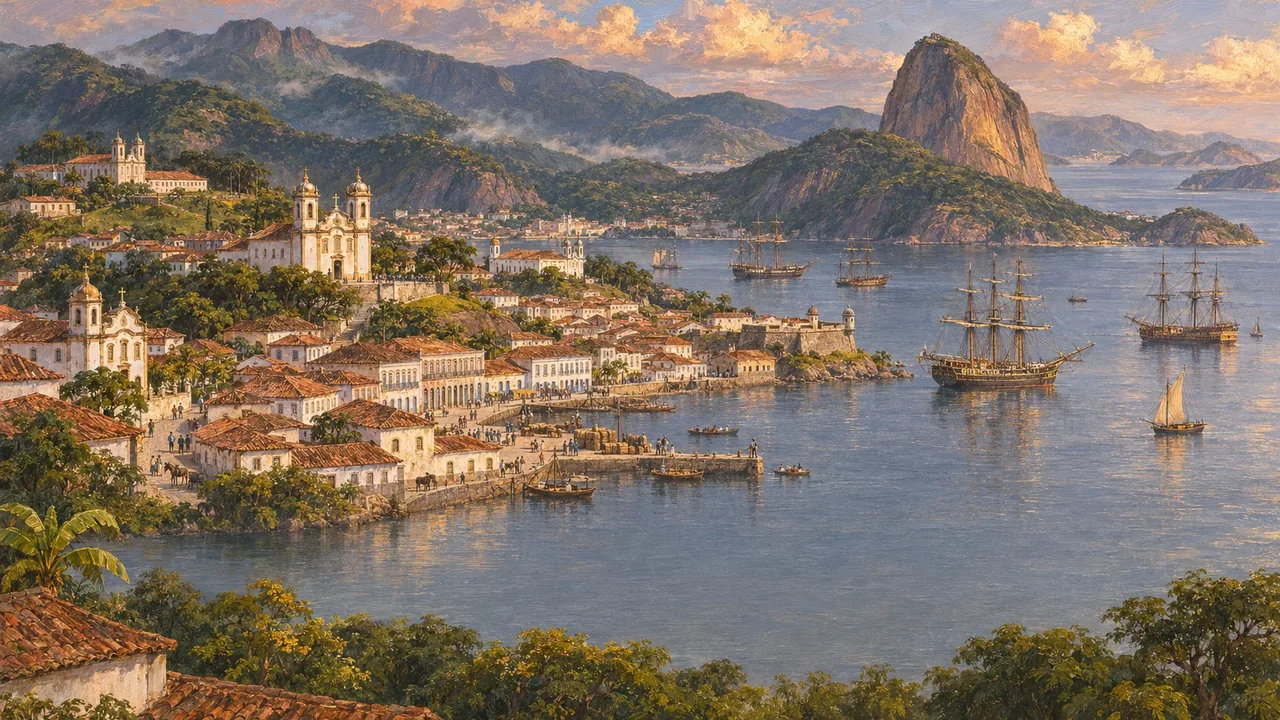 Illustration · loading screen
The real Earth as a globe, with real places and states that run their own economies. At the start you know only a small part of it. The rest you have to discover.
A world that keeps going even when you are not looking.
The game world
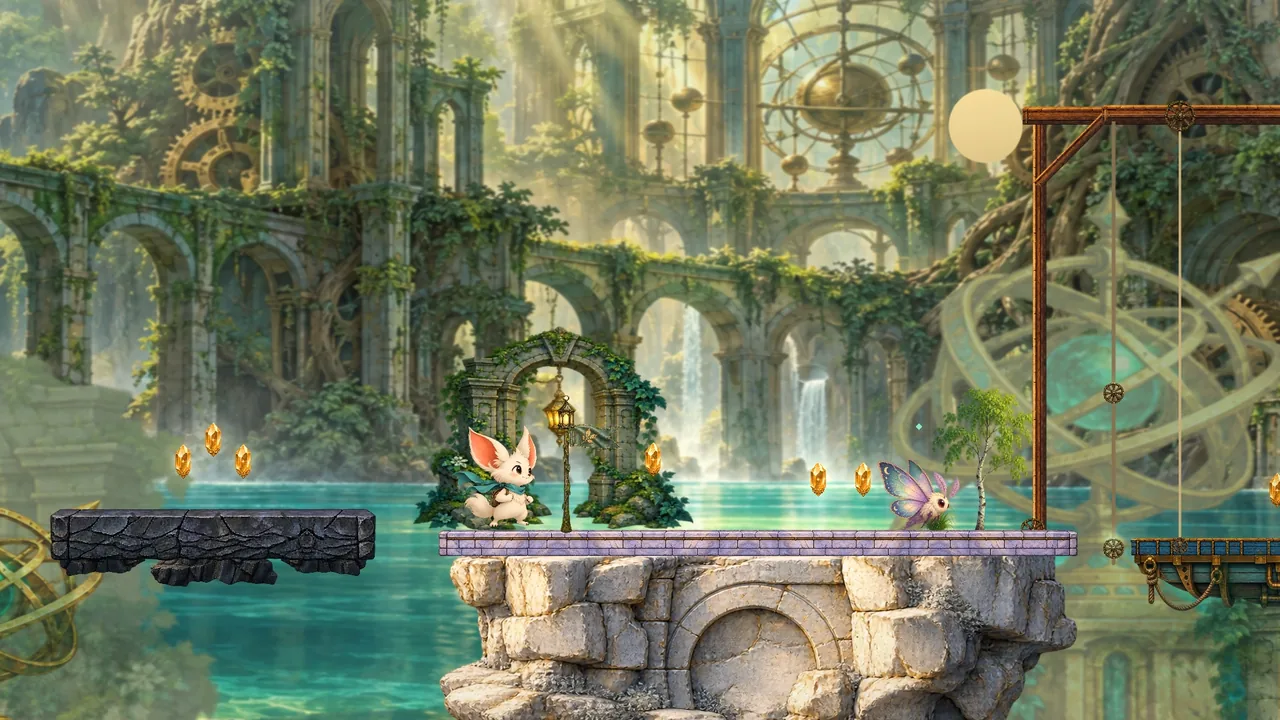
What is playable today and what the test builds add. The images come from the game: scenes from Donaumark and painted article pictures from the World Chronicle.
Houses, workshops, fields and roads, built with real workers and real stocks. The tutorial “From River to World” walks you through everything that matters, step by step.
Building40 goods, 72 buildings and 30 technologies up to 1870, and in the test build already the catalog up to 1914. Every good feeds a chain that people or businesses actually need.
EconomyIn the historical course, each technology can be researched only from its documented date in your region. Start in Lancashire and you will ride the railway sooner than in the Yangtze Delta.
ResearchCart, river barge, ship and railway with real capacities and travel times, plus the telegraph and the undersea cable. The test build adds fuel, trucks, cars, streetcars, buses and airplanes.
TransportThe states of the world produce, consume and trade on their own. You trade with them, also through standing orders. In the test build they trade with one another, at world market prices and with tariffs.
TradeNon-aggression, alliance, right of passage, tax farming, purchase or cession of territory. Each state answers according to its attitude, its knowledge and its treasury.
DiplomacyRaise and move armies, call on allies, declare war with visible consequences, negotiate peace, occupation and reconstruction. Plus a province map with 831 dated provinces on the globe.
Conflict · test buildBudget, loans, government bonds, companies and shares, currencies and crises in a window of their own. Credit is available only where you have contact.
Finance · test build70 world events from 1750 to 1870 with consequences for your game, and in the test build 69 more up to 1914, with decisions. In the alternative course, the simulation alone decides.
HistoryAn archive of painted articles, key facts and flags: 41 entries in version 0.13.0, 178 in the test build. Milestones in a person’s life appear only on their date, so the chronicle gives nothing away.
ChronicleSocial classes with incomes and needs of their own, types of housing, education, health and epidemics, religion and migration. Plus laws, interest groups and a decision in every decade.
Society · test buildA house of worship, a town hall with ordinances, a fire brigade against fires you can see, and a post house. And when it gets dark, the lights come on in the windows.
TownStart regions
Every region has real places with documented populations, its own rulers and its own neighbors. Three are playable in version 0.13.0 and six more in the test build, with the start dates 1750, 1815 and 1870.
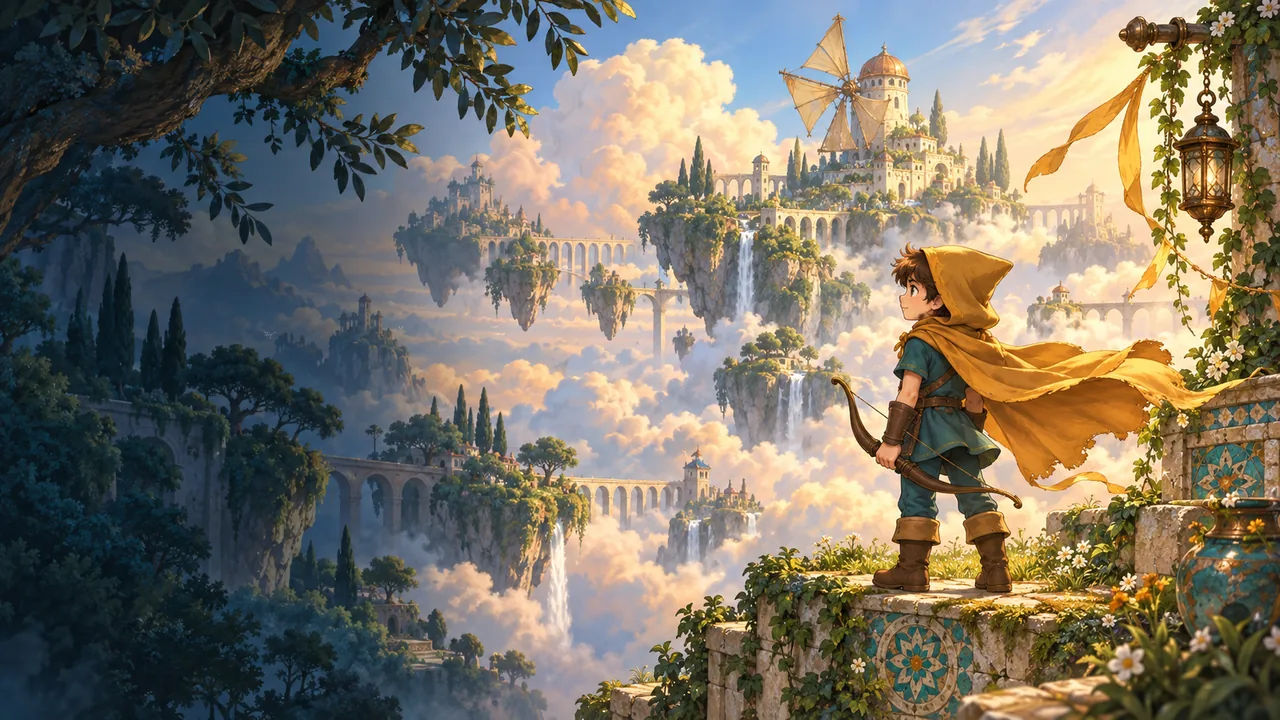
Vienna, Linz, Krems and Stein, Pressburg: a royal residence, manufactories, wine-growing, the salt and iron trade under one dynasty with two legal realms.
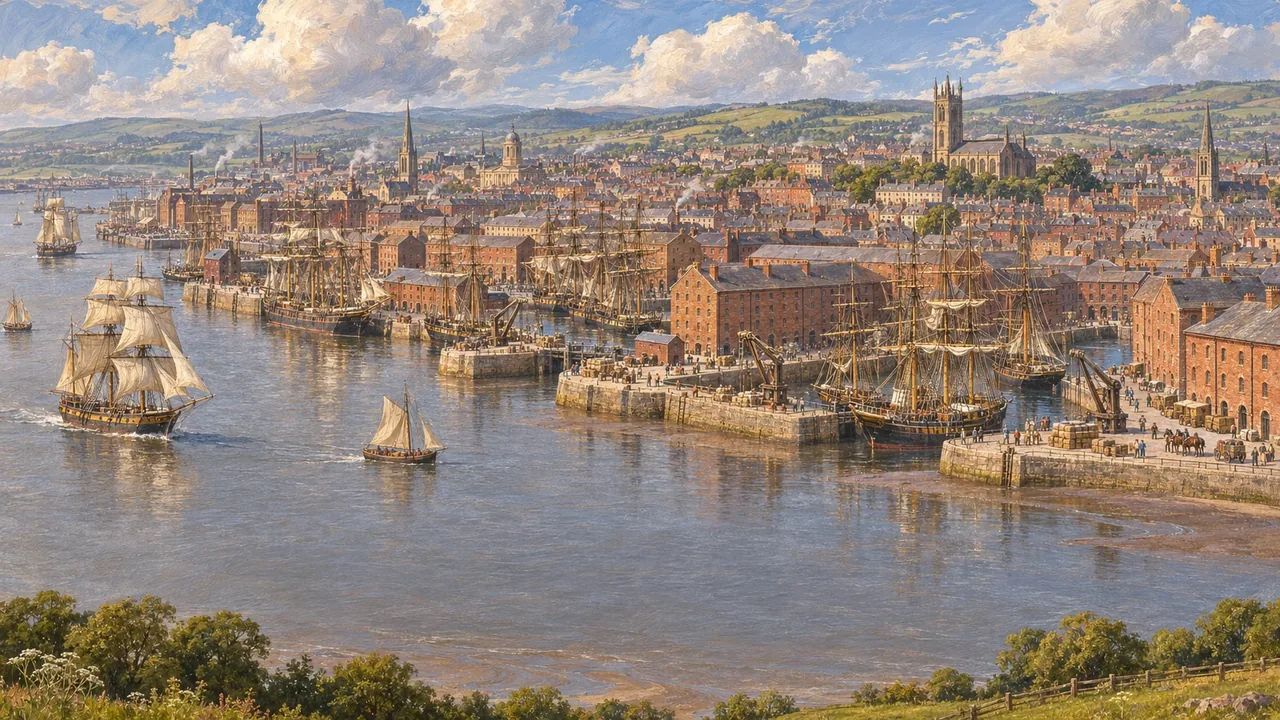
Liverpool, Manchester with Salford, Warrington and Wigan on the Mersey and Irwell. Canals, cotton and coal, and the railway runs here first.
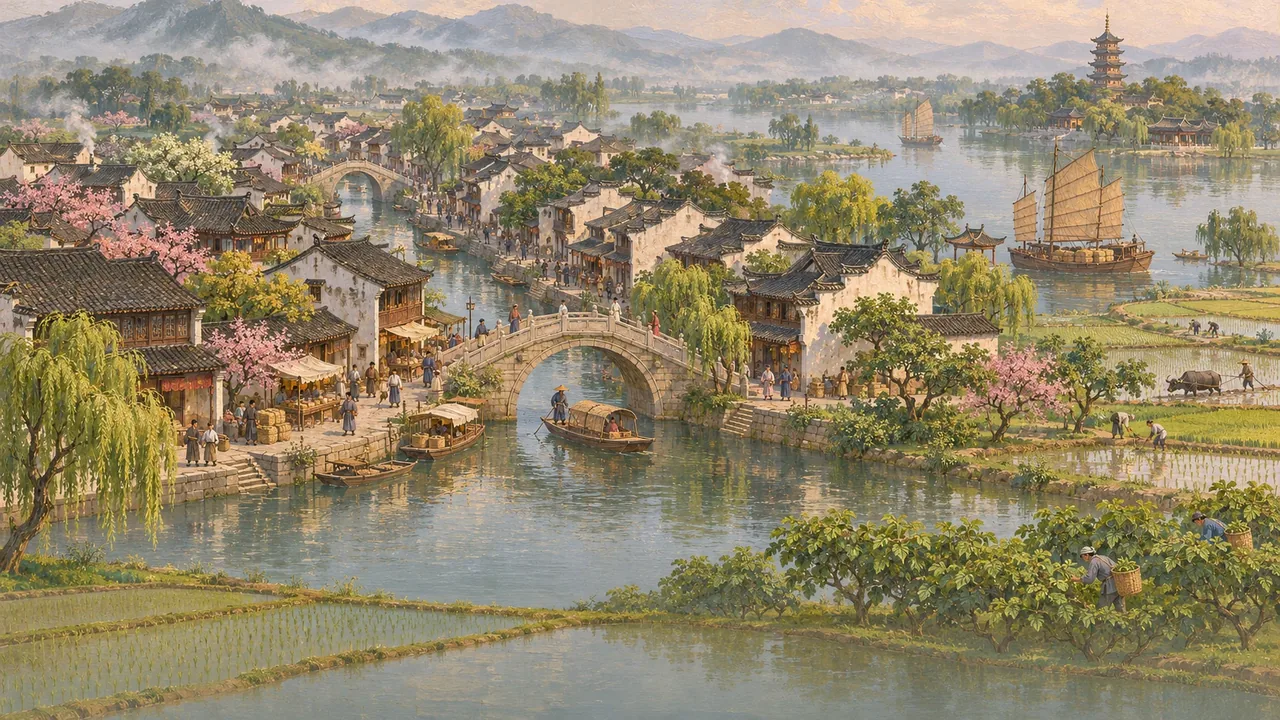
Suzhou, Nanjing, Yangzhou and Shanghai in the water country of Jiangnan: silk, rice, salt and canals under the Qing.
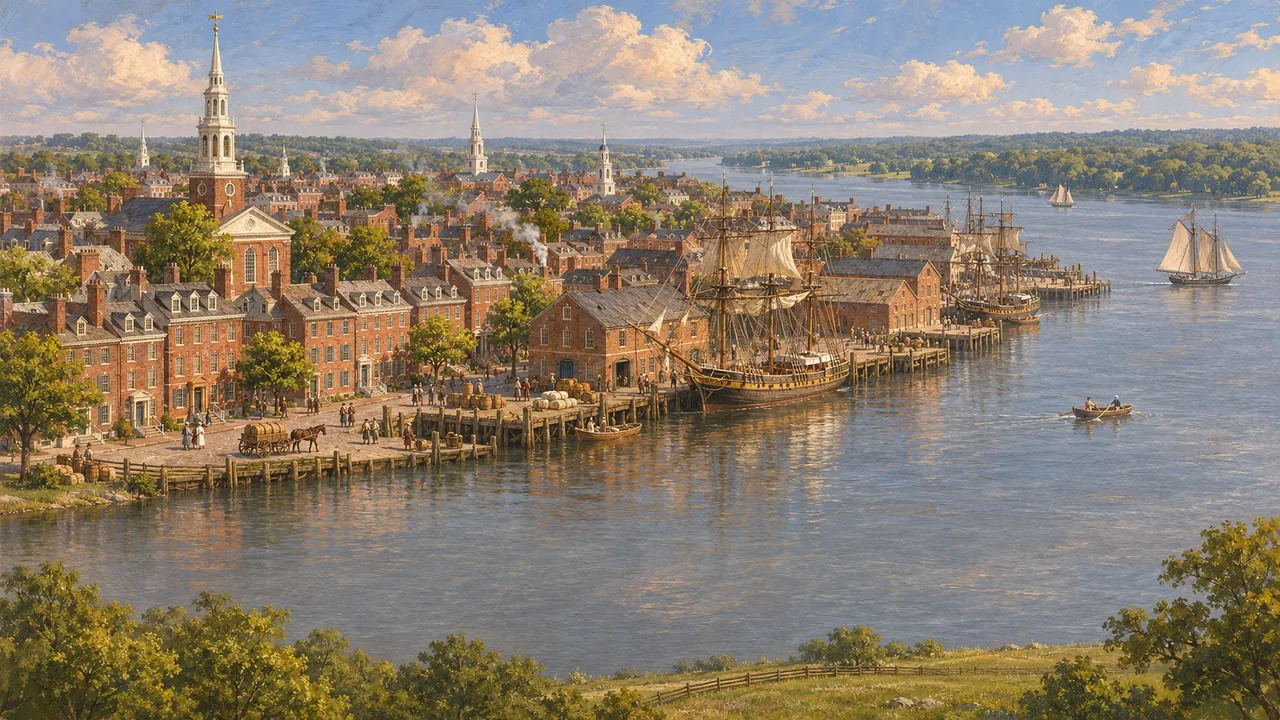
A port city on the Delaware, first in British colonies, later in the United States.
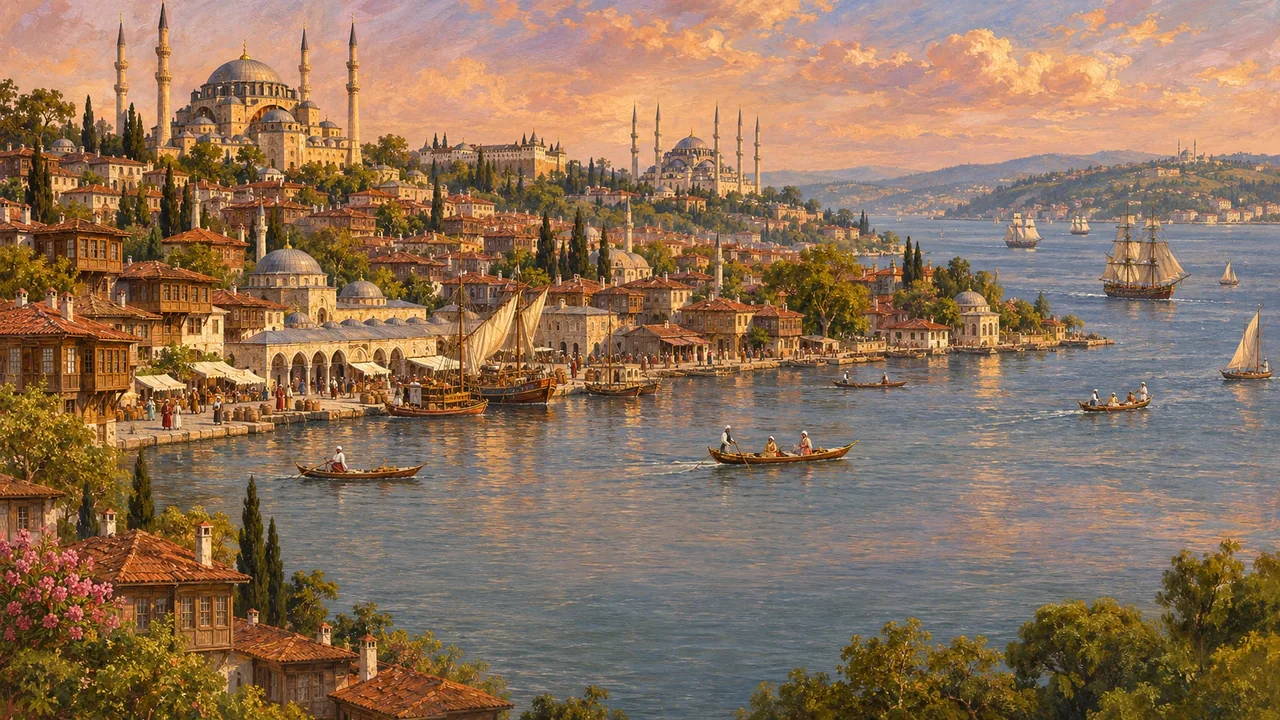
Istanbul between two continents, capital of the Ottoman Empire and a hub of trade between the Black Sea and the Mediterranean.
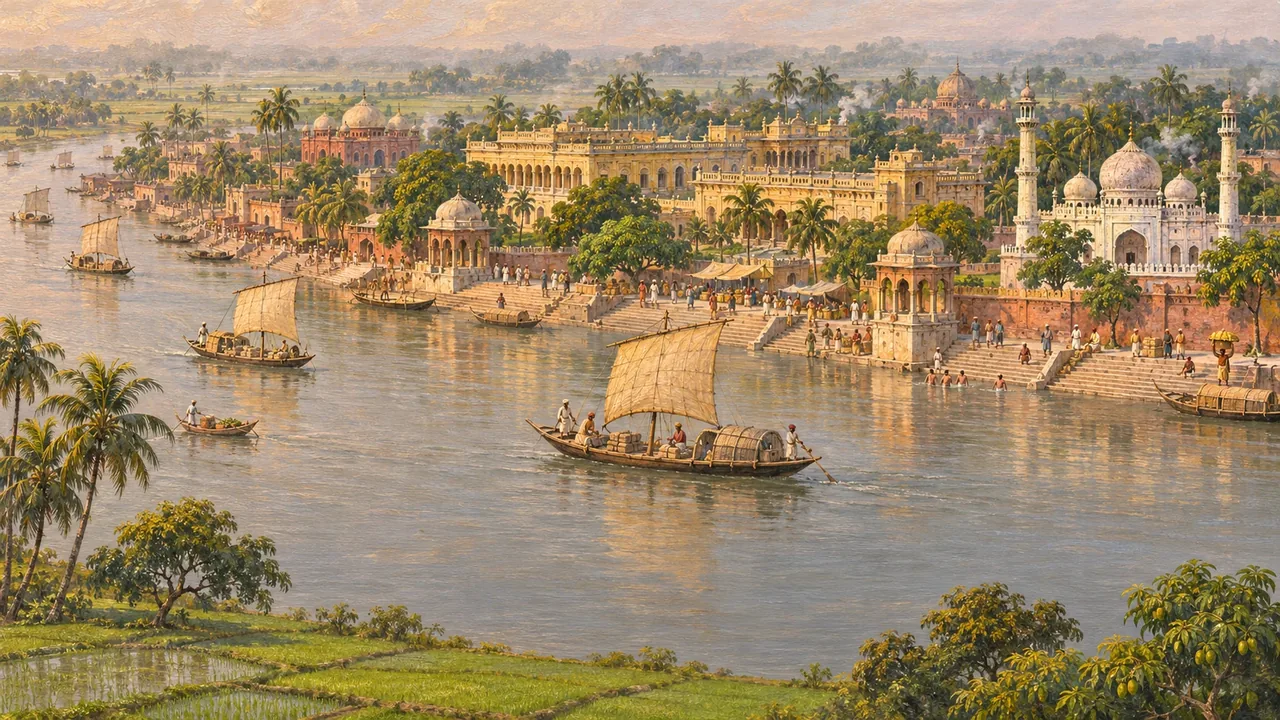
Murshidabad, seat of the Nawabs of Bengal, on the Bhagirathi, a distributary of the Ganges.
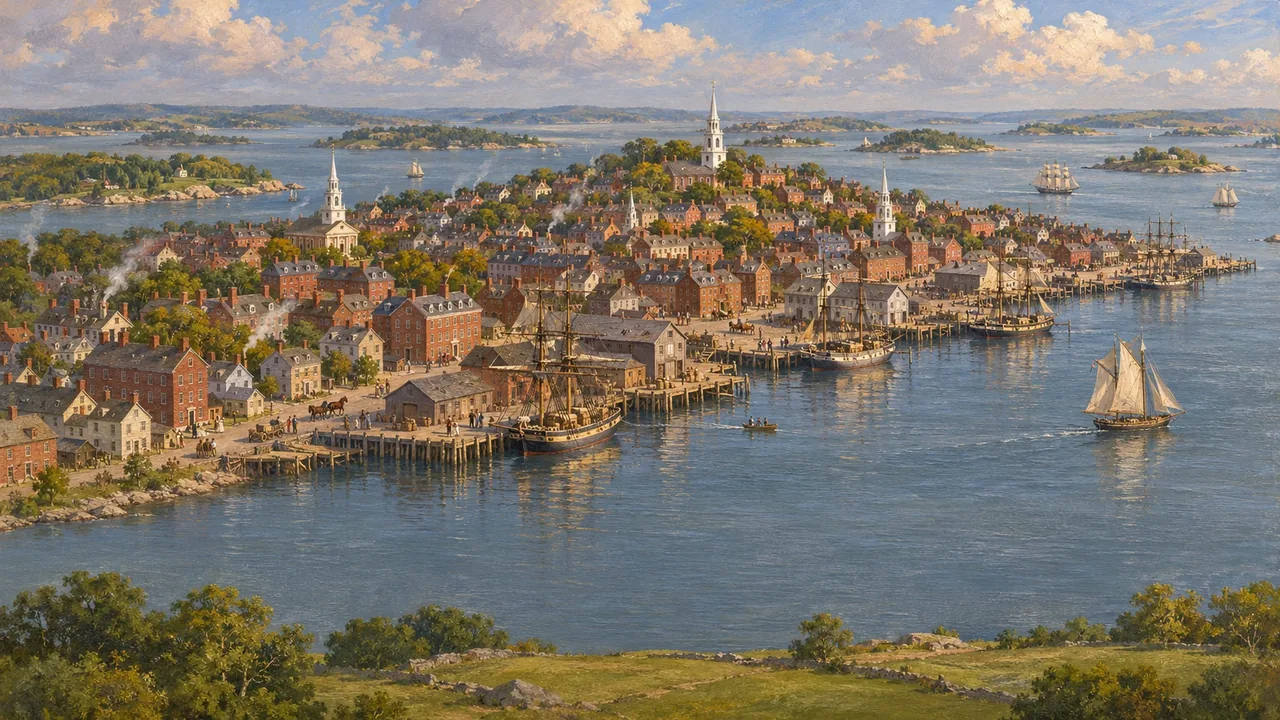
Boston after the War of 1812: a port town on its peninsula, with shipyards, long-distance trade and fishing.
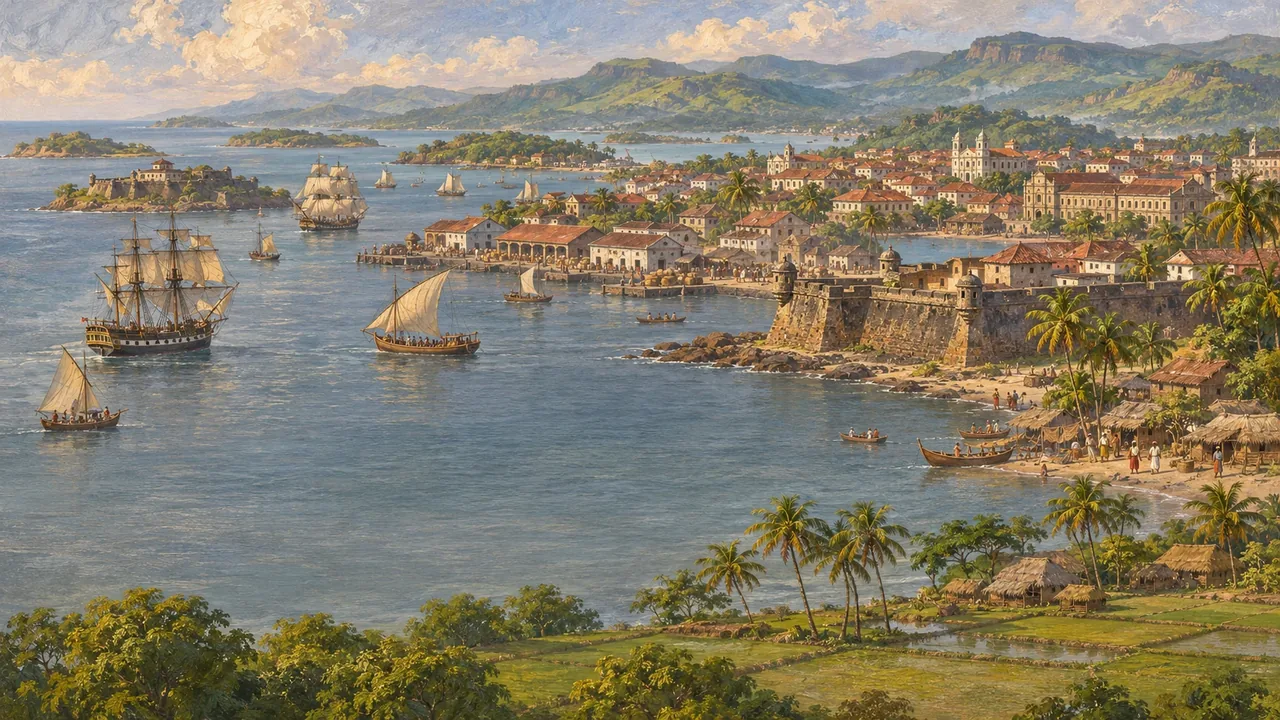
A port and seat of the East India Company. You play a local trading house under colonial rule.
Rio de Janeiro beneath Sugarloaf Mountain, seat of the Portuguese court since 1808.
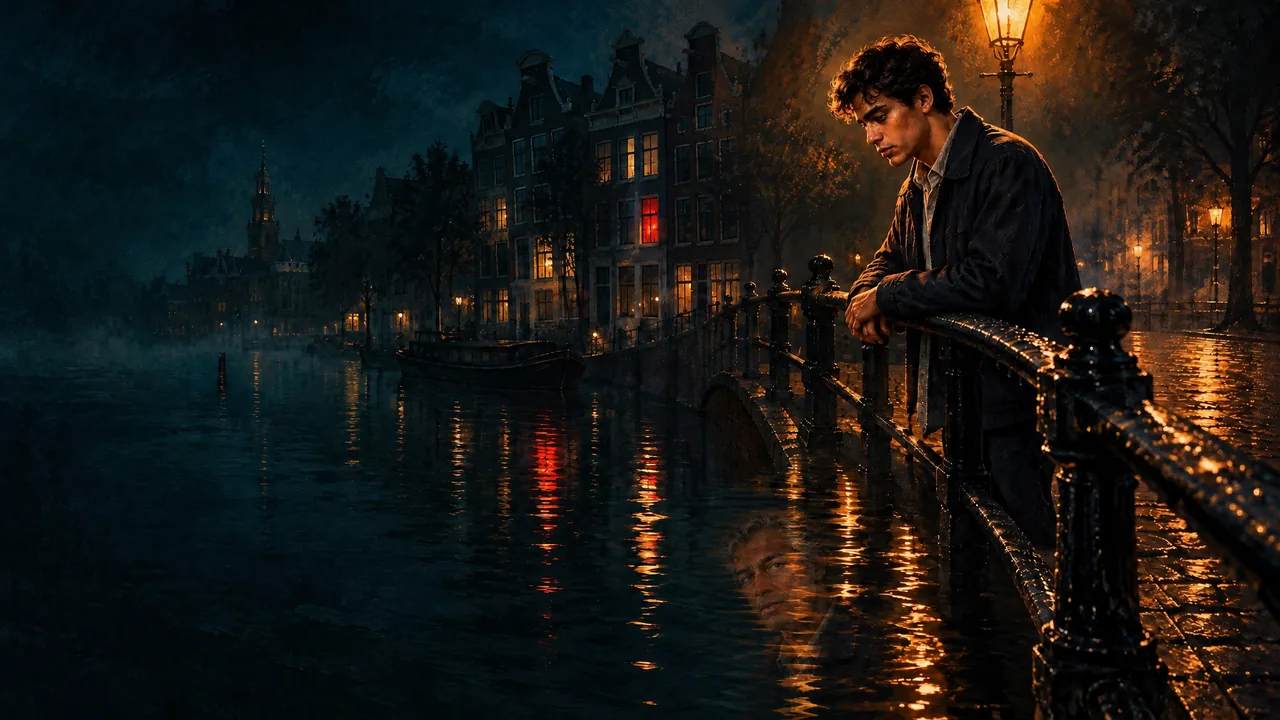
The images are the painted loading screens of the regions. The game scenes further down show what the places look like in the game today.
150 years
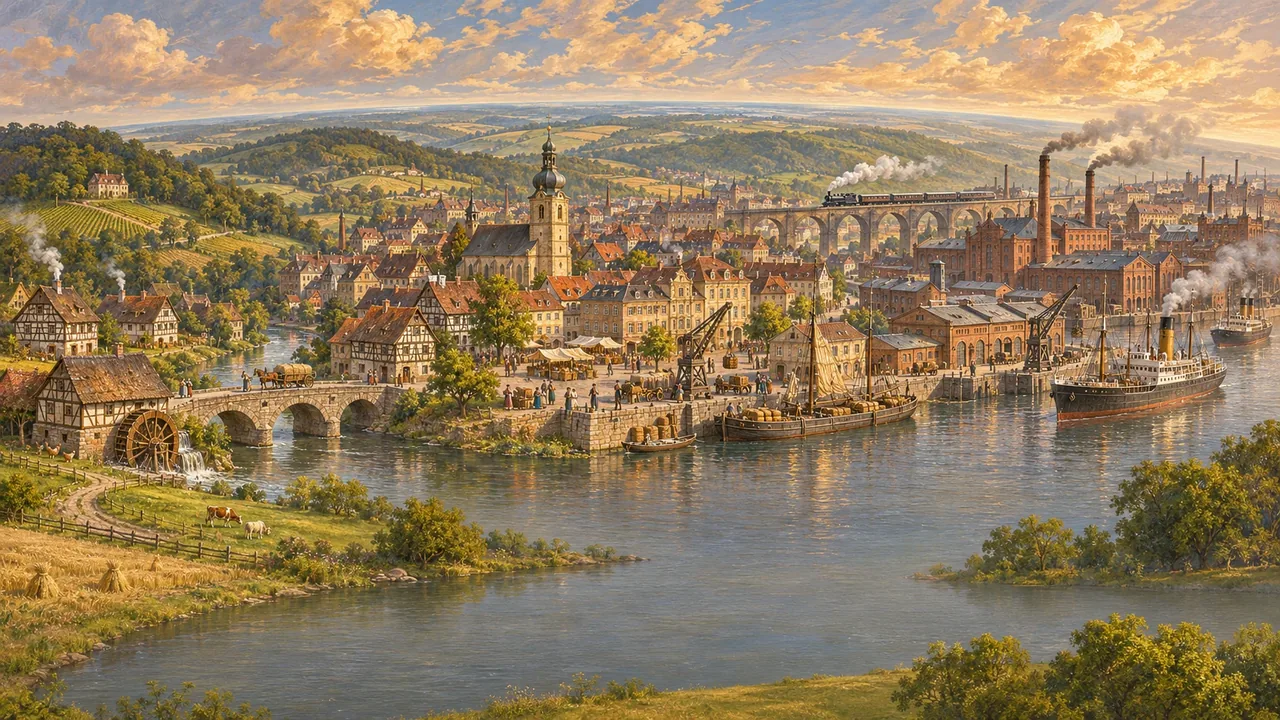
Drag the slider: Donaumark in the summer of 1750 and the same spot around 1900, with a railway station, a steamer and light in the windows. Two pieces of concept art for where the graphics are heading: the old stays, the new is added.
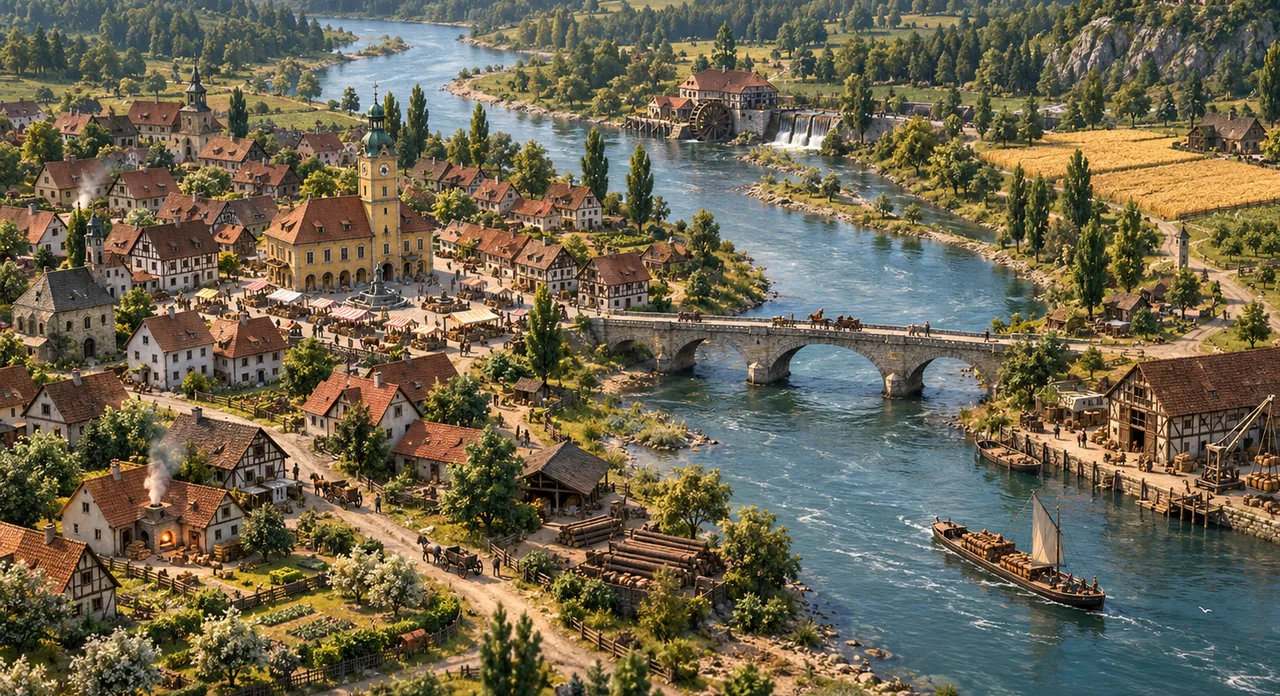
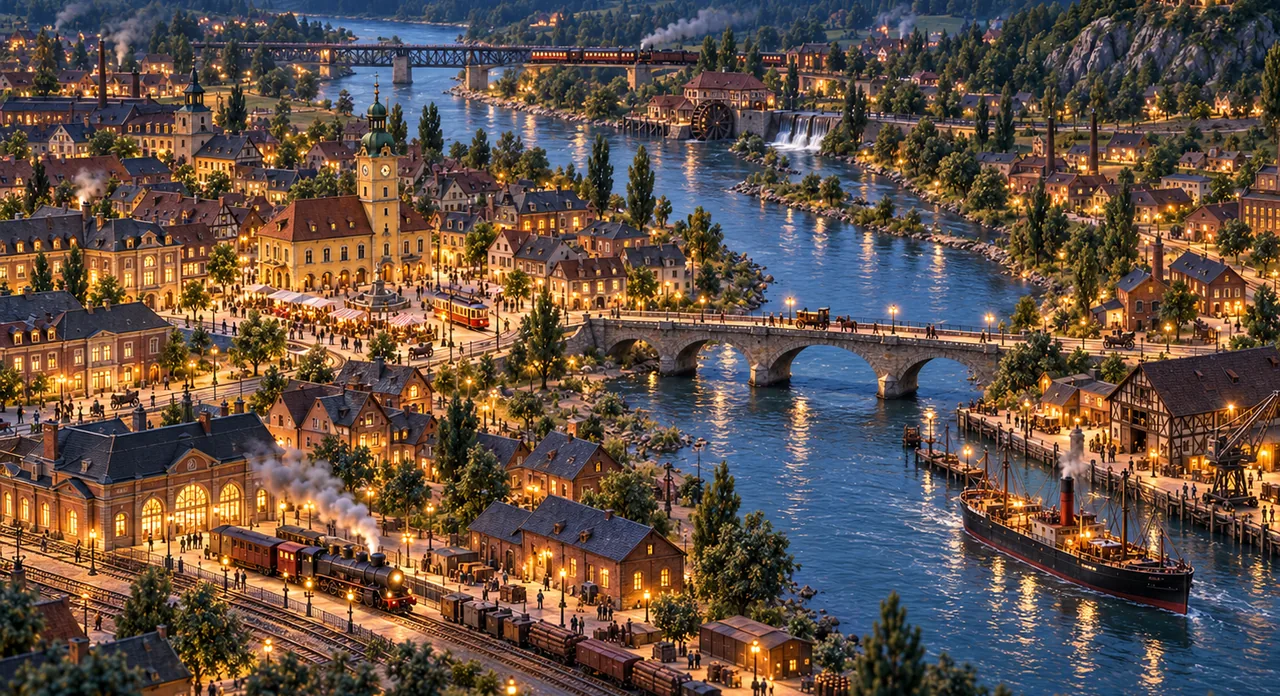 1750
around 1900
Concept art
From the game
Screenshots show the game as it is today; illustrations show the painted pictures from the World Chronicle and the loading screens. Three glimpses beyond 1950 were painted for this page. Click to enlarge.
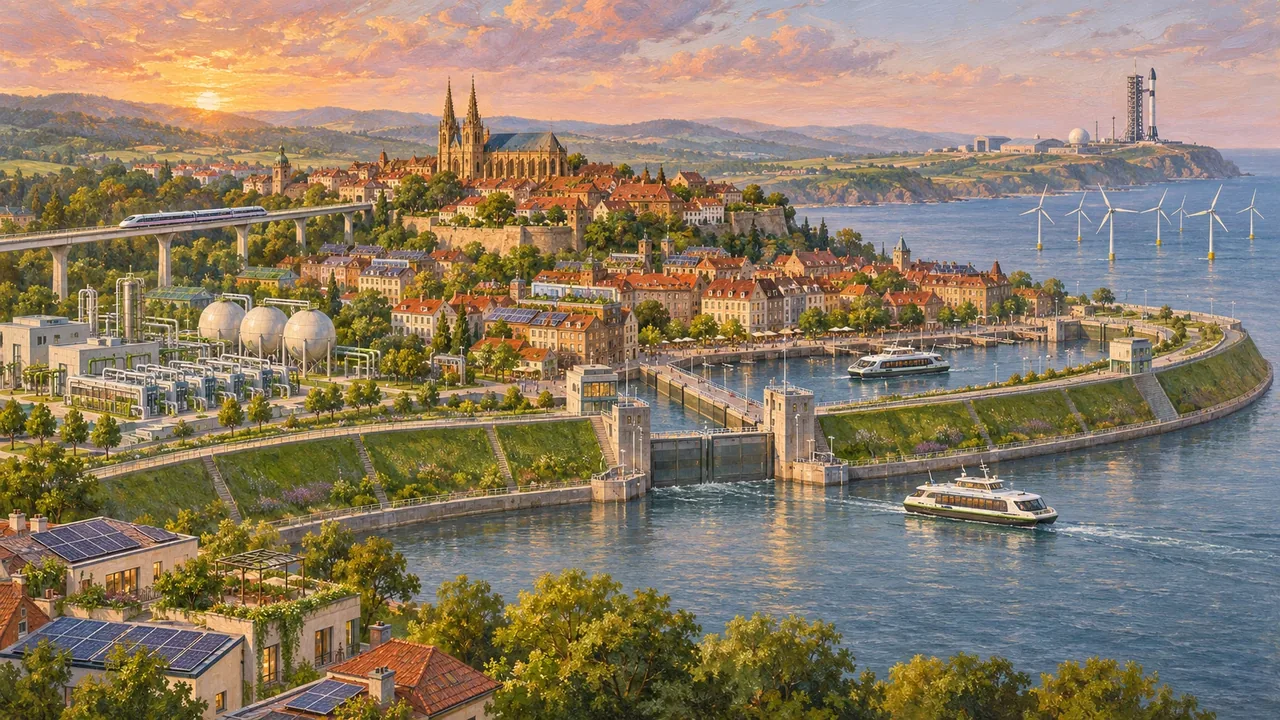
The goal for 2.0
From the first steam engine to the spaceport, without a restart. Spaceflight comes only when your world can carry it: with real materials, facilities, energy and supply. Until then, this is a painting of the future, not a picture from the game.
Development status
Version 0.13.0 is playable: the tutorial on the Danube and the “World 1750” campaign with the start dates 1750 and 1815, economy and history up to 1870, in German. The test builds 0.16 “Conflict” and 0.17.0-dev bring every system needed before the content can be filled in: armies, war and peace, finance, politics with decisions, transport up to the airplane, social classes, military up to 1950, historical figures, real terrain and the 1870 start date, in German and English. Since November 8, the 1914–1950 era has been taking shape, with graphics in series production: 3D models from Blender, pictures and textures from GPT.
The plan to 2100 (in German)Playable version23. 10. 2026
0.13.0 REAL WORLD
What is playable today, and what the test builds add:
Test builds are internal versions for playtesting, not releases. Version 0.13.0 is available in German only; English comes with the next release.
What is being built right now: work streams, test builds, progress and open decisions, updated as work goes on.
Eras, versions and their order on the way to 1.0 and 2.0.
Commits, builds, checks and content: how fast the game is growing.
Not publicly. Version 0.13.0 is playable, but there is no download yet. New versions are first played and checked as internal test builds. There is no release date yet.
The plan covers the years 1750 to 2100 in six eras. Today the stretch up to 1870 is playable, and the stretch up to 1914 is in testing. Version 1.0 is meant to reach 1950, version 2.0 the year 2100. The time before 1750 is not planned.
No. In the historical course, events happen when their preconditions are met. In the alternative course, the simulation alone decides. What happened in your world goes into your chronicle; what really happened stays on record in the archive.
In the tutorial in Donaumark, a fictional place with 180 people, or in the “World 1750” campaign at a real place: in version 0.13.0, for example, Vienna, Linz, Liverpool, Manchester, Suzhou or Nanjing. The test build adds Philadelphia, Istanbul, Murshidabad, Boston, Bombay and Rio de Janeiro, plus the 1870 start date.
It is the whole Earth as a globe, with 80 states and communities in 1750 and 97 in 1815. They run their own economies. At the start you know only part of the world; discovery, contact and news routes open up the rest.
In the “Conflict” test build, yes: armies, declarations of war, calls to allies, peace, occupation and reconstruction. A war breaks out only when its preconditions are met, and peaceful paths stay open. Losses are shown soberly at game scale, without cheering.
States, rulers, offices and events are researched and backed by sources. Population figures are documented ranges or marked as estimates. Money, stocks and buildings are game assumptions at game scale, and the game says so.
Plainer than the paintings on this page. That is why screenshots are always labeled as such, with version and date. Since November, buildings, vehicles, plants and crowds have been in series production to bring the graphics closer to the paintings.
Version 0.13.0 is available in German only. In the test builds, the interface and all content are also fully in English, switchable in the game; the simulation calculates the same in both languages. English comes with the next release.
On Windows PCs, with mouse and keyboard, single-player and without an internet connection.
The painted pictures (chronicle, loading screens, technology pictures, goods icons) and the textures are made with AI image tools (OpenAI); earlier models and title images were made with Artlist. The new 3D models are built in Blender. Everything is selected, checked and integrated for the game; historical content is based on sources.
On the developer page: it keeps track of the work streams, test builds, open decisions and the plan to 2100.
Concept art